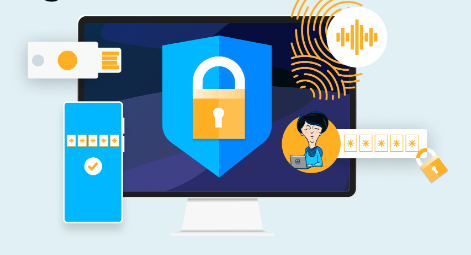
Authentication technologies serve as crucial barriers against unauthorized access to sensitive information. They employ various methods, including passwords, multi-factor authentication, and biometric identifiers. Each method offers distinct advantages and challenges, shaping the overall security landscape. Understanding these dynamics is essential for evaluating their effectiveness. The implications of these technologies extend beyond mere access control, prompting further examination of their strengths and weaknesses. What remains to be explored is the future trajectory of authentication methods and their evolving complexities.
Types of Authentication Methods
Authentication methods serve as the cornerstone of secure access control in digital environments. They encompass various techniques, notably those emphasizing password complexity and token generation.
Password complexity ensures that user credentials are resilient against brute force attacks, while token generation provides dynamic, time-sensitive access codes, enhancing security.
Together, these methods form a robust framework, enabling users to maintain autonomy while safeguarding sensitive information.
Why You Need Multi-Factor Authentication
How can organizations effectively mitigate the risk of unauthorized access?
Implementing multi-factor authentication (MFA) offers significant security benefits by requiring multiple verification methods, thereby enhancing protection against potential breaches.
While some may perceive MFA as cumbersome, it can be designed to balance user convenience with robust security measures, ensuring that access remains both secure and user-friendly.
Ultimately, fostering a more secure digital environment.
Understanding Biometric Authentication
As organizations increasingly adopt multi-factor authentication (MFA) to safeguard sensitive information, biometric authentication emerges as a prominent component of these security frameworks.
Utilizing advanced technologies, fingerprint recognition and facial recognition provide unique, physiological identifiers that enhance user verification processes.
These biometric methods offer a blend of convenience and security, enabling organizations to effectively mitigate unauthorized access while ensuring user autonomy in identity management.
Read Also: How Algorithms Shape Online Communities
Strengths and Weaknesses of Authentication Technologies
Several key strengths and weaknesses characterize various authentication technologies, influencing their suitability for different applications.
Password security remains vulnerable to breaches despite its widespread use, while encryption protocols offer robust protection but can complicate user experience.
Biometric methods provide convenience yet raise privacy concerns, necessitating a careful balance between security and user freedom in selecting appropriate authentication solutions.
Conclusion
In conclusion, authentication technologies serve as the robust gatekeepers of digital security, much like a fortified castle protects its treasures. By employing a variety of methods, including multi-factor and biometric authentication, they create a comprehensive security framework that mitigates risks associated with unauthorized access. However, it is essential to recognize both the strengths and weaknesses inherent in these technologies to ensure a balanced approach to identity management. Continuous evaluation and adaptation will be crucial in maintaining effective security measures.