In the evolving landscape of digital marketing, leveraging advanced tools is crucial for effective campaign optimization. A comprehensive analysis of essential features reveals how robust analytics, social media management, and email automation can enhance user engagement. The strategic integration of these tools fosters collaboration across teams. However, understanding how to measure the success of these initiatives remains a pivotal factor in driving impactful results. What metrics should marketers prioritize to ensure their efforts yield tangible outcomes?
Essential Features of Digital Marketing Tools
When evaluating digital marketing tools, it becomes evident that certain essential features significantly enhance their effectiveness.
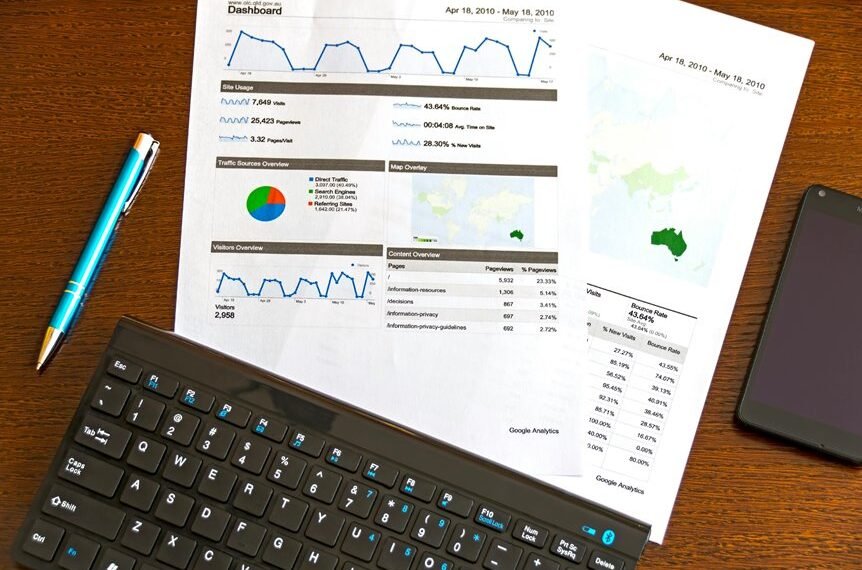
Key among these are robust analytics capabilities, which allow for insightful data interpretation, and tools designed to boost user engagement.
Such features empower marketers to refine strategies, optimize campaigns, and ultimately foster deeper connections with their audience, promoting a sense of freedom in creative exploration and decision-making.
Top Types of Digital Marketing Tools to Consider
As organizations seek to enhance their digital presence, identifying the top types of digital marketing tools becomes crucial for optimizing strategies and achieving measurable results.
Key tools include social media management platforms that streamline content distribution and engagement, and email automation systems that personalize communication and improve customer retention.
Integrating Marketing Tools Into Your Campaigns
Integrating marketing tools into campaigns requires a strategic approach that aligns technology with business objectives.
Effective tool integration strategies enhance data flow and communication, enabling marketers to implement campaign optimization techniques.
How to Measure Success With Your Marketing Tools?
Measuring success with marketing tools is essential for businesses aiming to evaluate the effectiveness of their campaigns and refine their strategies.
By establishing clear success metrics, organizations can conduct performance analysis to identify strengths and weaknesses.
This data-driven approach empowers marketers to optimize campaigns, ensuring resources are allocated efficiently and creativity flourishes, ultimately leading to enhanced freedom in achieving marketing goals.
Conclusion
In conclusion, while one might think that merely collecting digital marketing tools is akin to hoarding shiny trinkets, the true magic lies in wielding them wisely. With the right mix of analytics, social media prowess, and email wizardry, marketers can transform their campaigns from mere blips on the radar to dazzling fireworks in the digital sky. So, let’s raise a toast to the tools that promise success—because who doesn’t love a good analytics dashboard to sip coffee over?