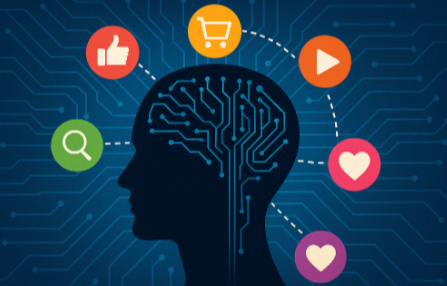
Algorithms play a pivotal role in shaping daily decisions, often operating quietly beneath the surface. They curate content and streamline choices, influencing user behavior through personalized recommendations. While these systems enhance convenience, they simultaneously raise questions about biases and the potential decline of critical thinking. Understanding the extent of this influence is crucial. What implications does this reliance on algorithms have for personal autonomy and decision-making? The answers may not be as straightforward as they seem.
How Algorithms Influence Your Daily Choices
As individuals navigate their daily lives, the pervasive influence of algorithms often shapes their choices, sometimes without their conscious awareness.
These algorithms, designed to enhance user engagement, frequently prioritize convenience over data privacy. This intricate balance raises questions about autonomy, as users unknowingly surrender information that fuels personalized recommendations, ultimately guiding their decisions and impacting their perceived freedom in a digitally-driven society.
The Benefits of Algorithmic Recommendations
Algorithmic recommendations offer a multitude of advantages that enhance user experiences across various platforms.
By delivering personalized suggestions tailored to individual preferences, these algorithms foster greater engagement and satisfaction.
Users benefit from discovering relevant content effortlessly, which saves time and enhances decision-making.
Ultimately, algorithmic recommendations empower individuals to explore options aligned with their interests, enriching their interactions and facilitating a more fulfilling digital experience.
What Happens When We Rely Too Much on Algorithms?
While the integration of algorithms into daily decision-making processes can enhance convenience and efficiency, an overreliance on these systems can lead to significant drawbacks.
Individuals may encounter algorithmic bias, limiting their perspectives and reinforcing stereotypes. Furthermore, the reliance on algorithms can contribute to decision fatigue, diminishing the ability to make independent choices.
This dependence risks eroding critical thinking and personal autonomy, vital for a free society.
Strategies to Control Algorithmic Influence
To effectively manage the influence of algorithms on decision-making, individuals and organizations must adopt a multifaceted approach that prioritizes transparency, education, and critical analysis.
Enhancing algorithm awareness can empower users to question automated recommendations, while promoting decision transparency ensures that the rationale behind algorithmic choices is clear.
This proactive stance fosters informed choices, ultimately safeguarding autonomy and encouraging responsible engagement with technology.
Conclusion
In the vast digital landscape, algorithms act as invisible architects, crafting pathways that users traverse daily. While they illuminate choices like guiding stars, their persistent presence can cast shadows over critical thought. As individuals navigate this intricate maze, they must wield discernment like a compass, ensuring that personal autonomy remains intact. Ultimately, the balance between embracing algorithmic guidance and safeguarding one’s own decision-making power is essential for navigating the ever-evolving terrain of modern life.